
Boats communicate with their owners constantly. The challenge is knowing how to interpret what they are telling you. After 25 years of marine electrical work across Orange County and San Diego, the team at Sea Wave Services has learned that most serious electrical failures give clear warning signs long before they become critical. Here are the five most important ones to watch for.
1. Lights That Flicker or Dim Unexpectedly
Flickering or dimming lights are rarely a bulb problem. In most cases, they indicate one of three underlying issues: a loose connection at a terminal or junction block, a corroded contact that is intermittently breaking the circuit, or a circuit that is overloaded and causing a voltage drop across the wiring.
Left unaddressed, a loose or corroded connection under vibration can generate heat, arc, and in worst cases cause a fire. If you have replaced a bulb and the flickering continues, the fault is in the wiring — not the fitting. A qualified marine electrician can trace the fault in a single visit.
2. Batteries That Will Not Hold a Charge
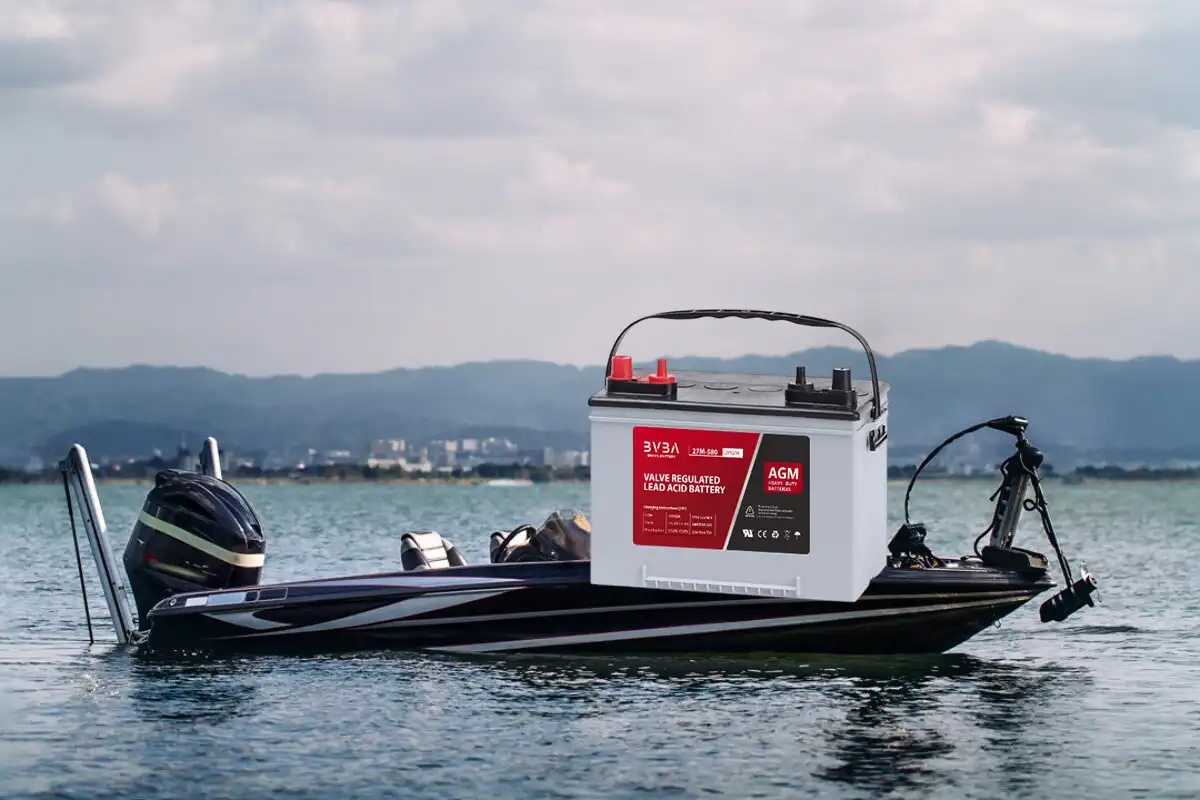
A battery that loses charge faster than it should, or that fails to reach a full state of charge despite hours on the charger, is one of the most misdiagnosed problems on boats. Owners often replace the battery only to find the same problem returns within a few months.
The most common causes are a parasitic drain — a device that is drawing power when the boat is at rest — a failed charging system that is not delivering the correct charge profile, or a battery that has been chronically undercharged and suffered sulphation damage. A proper diagnosis identifies which of these is the cause before any money is spent on replacement batteries.
3. Circuit Breakers That Keep Tripping
A circuit breaker that trips repeatedly is telling you that the circuit is drawing more current than it was designed to handle. This happens for one of two reasons: the circuit is genuinely overloaded because too many devices have been added to it, or there is a short circuit somewhere in the wiring that is causing excess current to flow.
Never bypass a tripping breaker with a higher-rated fuse or a piece of wire. The breaker exists to protect the wiring from overheating. Removing that protection does not fix the underlying problem — it removes the only safety mechanism preventing a wiring fire.
4. Corrosion on Terminals and Connections
Green, white, or blue powder on battery terminals and electrical connections is visible corrosion, and it is worth taking seriously. On a boat, corrosion at electrical connections is almost always a symptom of moisture ingress, dissimilar metals in contact, or — most seriously — stray electrical current.
Stray current corrosion is caused by DC current flowing through your boat’s bonding system or hull structure instead of through the intended wiring. It can dissolve bronze through-hull fittings, eat away at stainless steel shafts, and corrode aluminum outdrives at a rate dramatically faster than normal galvanic corrosion. Boats have been lost to stray current corrosion that went undetected.
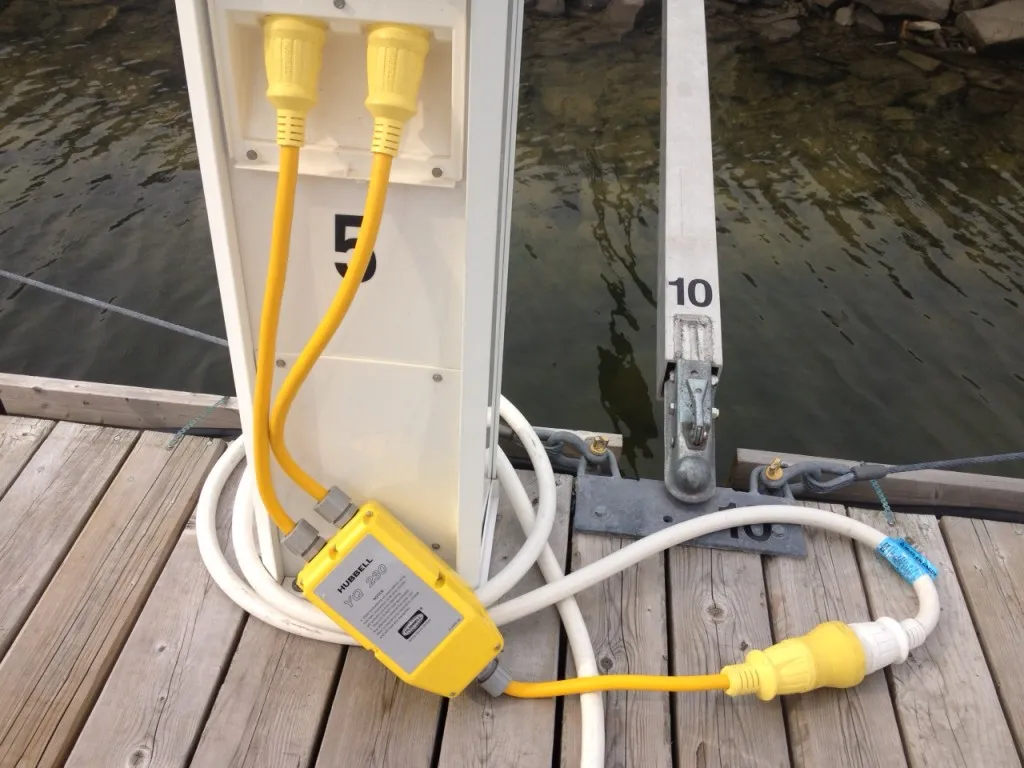
Warning indicators of stray current include zinc anodes that disappear unusually quickly, visible pitting on propeller shafts or rudder fittings, and small bubbles rising near underwater metal fittings when the boat is connected to shore power. If you see any of these, request a stray current diagnostic immediately.
5. Electronics That Reboot or Behave Erratically
If your chartplotter restarts randomly, your instruments show inconsistent readings, or your autopilot drops out unexpectedly, the instinct is to blame the electronics. In our experience, the fault is almost always in the power supply or grounding, not the instrument itself.
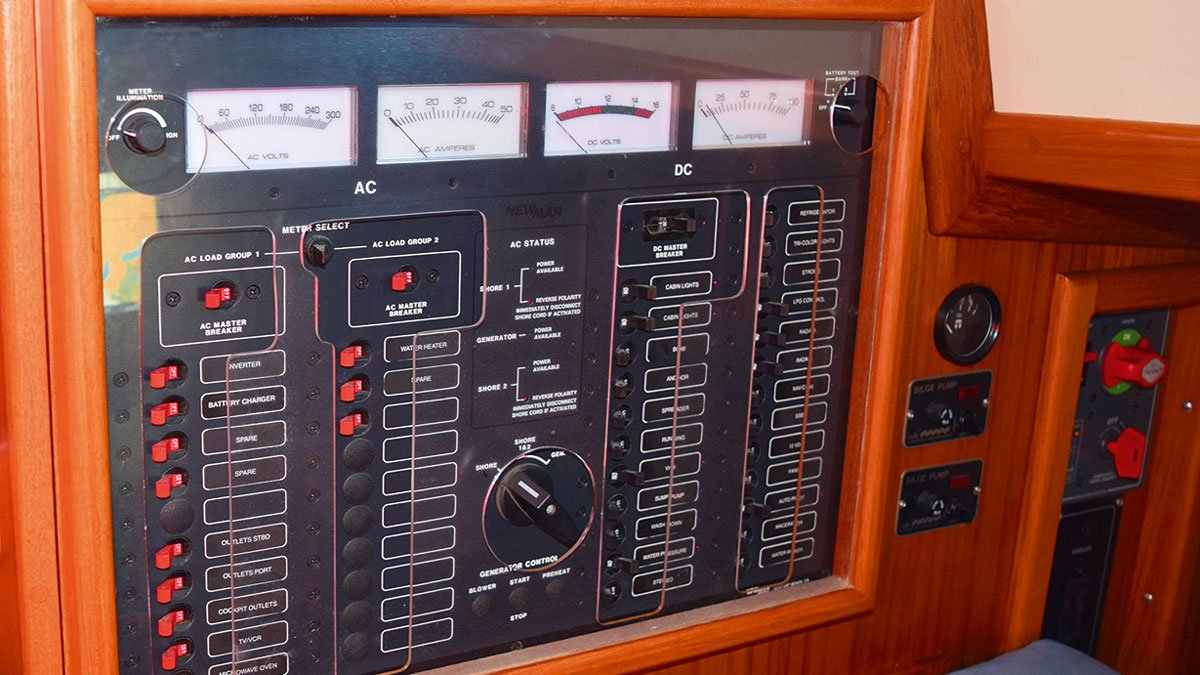
Marine electronics are extremely sensitive to voltage fluctuations and poor grounds. A loose connection at the distribution panel, a corroded ground wire, or an undersized supply cable can cause voltage to dip momentarily and trigger a system reboot. Before replacing an expensive piece of electronics, have a marine electrician check the supply voltage and ground quality at the instrument itself.
What to Do If You Recognise Any of These Signs
Any of the five warning signs above warrants a professional inspection sooner rather than later. Electrical faults on boats rarely resolve themselves, and the gap between an early-stage fault and a genuine safety emergency can close quickly.
Sea Wave Services offers full electrical diagnostic inspections across the Orange County to San Diego marina corridor. We come to your slip, run a systematic fault-finding process, and provide you with a clear diagnosis and written recommendation — with no obligation to proceed. Call or text 949-342-5423 or visit seawaveservices.com to book your inspection.